PageIndex: Reasoning-Based Retrieval for Security Intelligence
How document trees can improve investigations, preserve evidence and support attack-path analysis without granting retrieved content authority over access or actions.
Deep dives on Kubernetes attack paths, CVE analysis, hardening guides, and cloud-native security patterns — straight from the k8sec research team.
How document trees can improve investigations, preserve evidence and support attack-path analysis without granting retrieved content authority over access or actions.
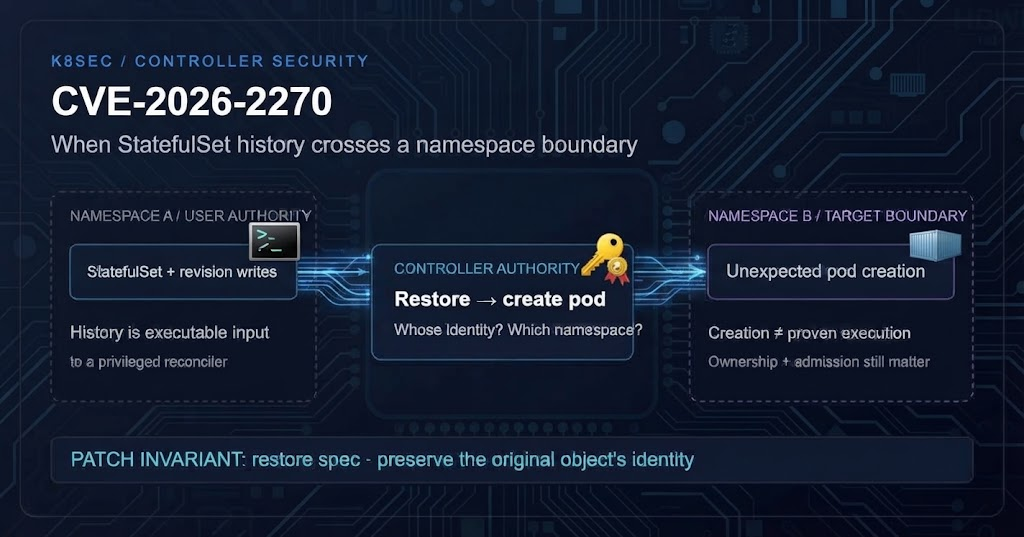
Trace the StatefulSet confused-deputy flaw from ControllerRevision data to cross-namespace pod creation: affected versions, patch anatomy, RBAC checks and detection evidence.
Trace deleted secrets through image layers, isolate build credentials with BuildKit, design multi-stage images and constrain runtime capabilities before they become host-access paths.
Minimal base images and distroless trade-offs, slim and unbase_oci minification, signed supply chains, separating real CVEs from scanner noise, least-privilege runtime controls with Secrets Store CSI and Istio, alert triage, and unikernel isolation with urunc.
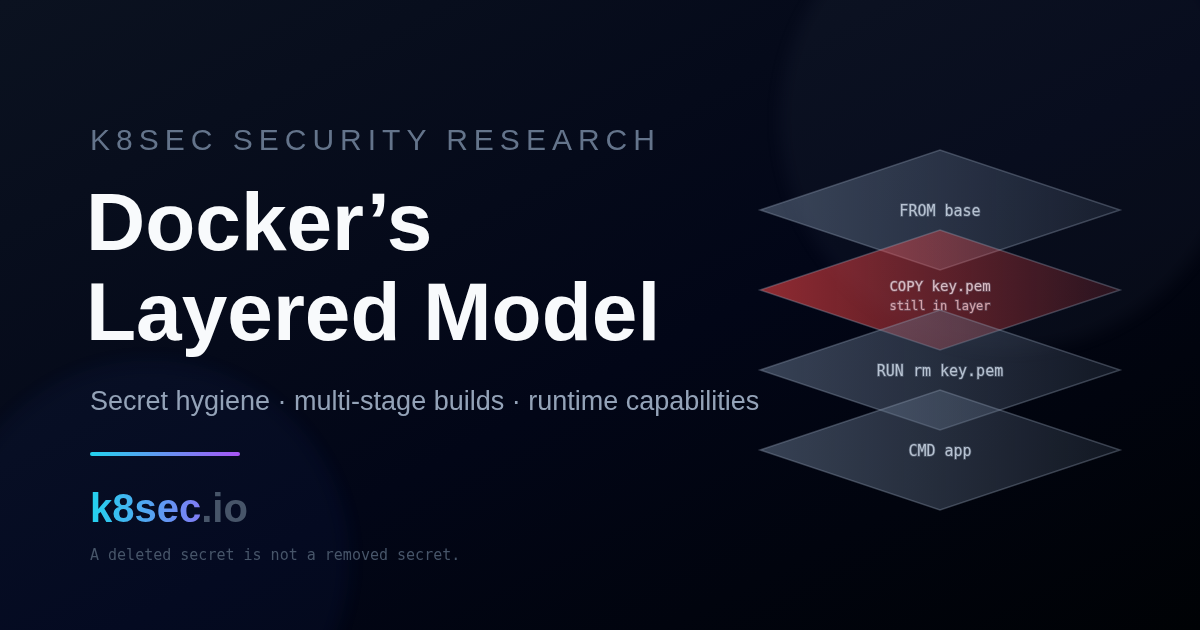
Why deleting a file in a Docker layer never removes the bytes, how multi-stage builds and BuildKit secret mounts keep credentials out of the image, and how over-granted Linux capabilities turn a clean image into a host escape.
Turn Kubernetes 1.37 identity and storage improvements plus Kyverno 1.19.1 policy controls into a tested, fail-closed cluster hardening program.
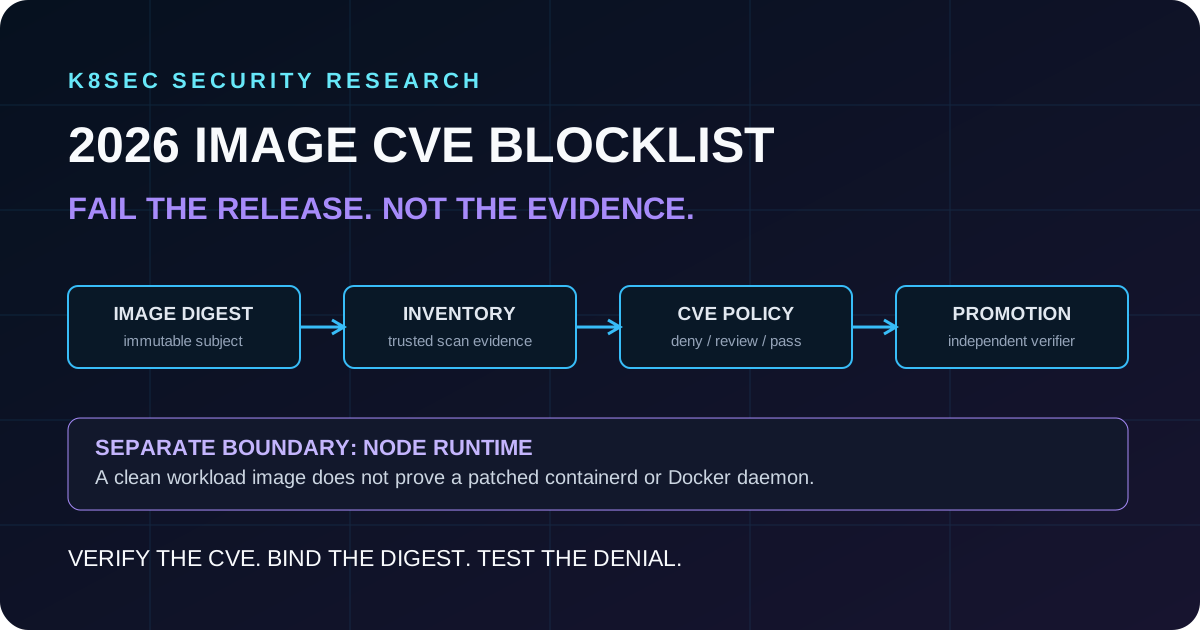
A verified CVE ledger, a testable promotion gate, and the boundaries an image scan cannot cover—from base libraries to container runtimes and CI controllers.
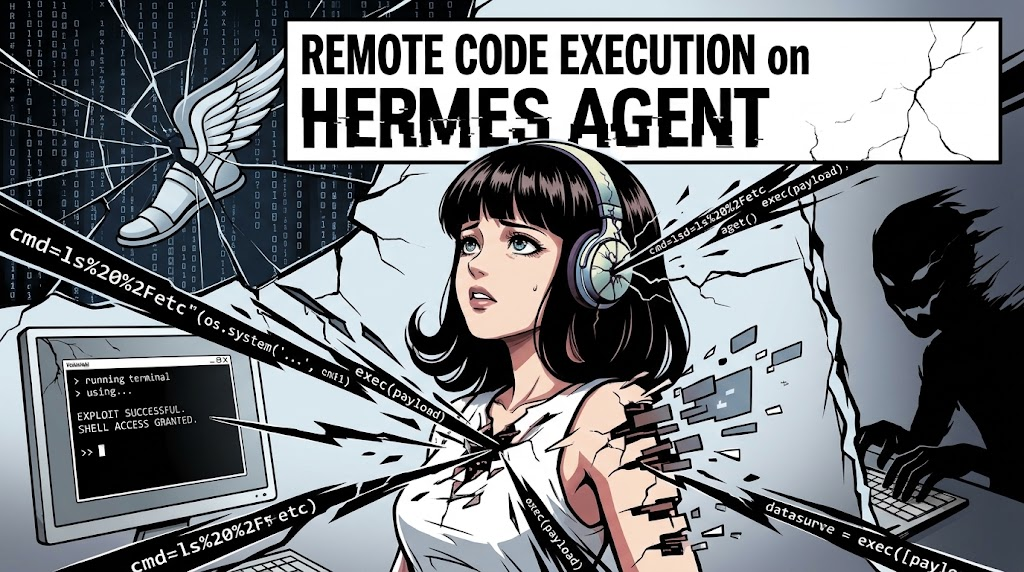
A source-grounded analysis of four Hermes Agent CVEs: the verified GitSpawn command-execution path, adjacent session and URL-fetch boundaries, detection evidence and hardened deployment controls.
Trace an agentic attack from untrusted input to tools, delegated identities and Kubernetes—and distinguish a model proposal from an independently proven effect.
Separate real Argo CD vulnerabilities from dangerous configuration, trace token authority into Kubernetes, and review the controls that break each attack path.
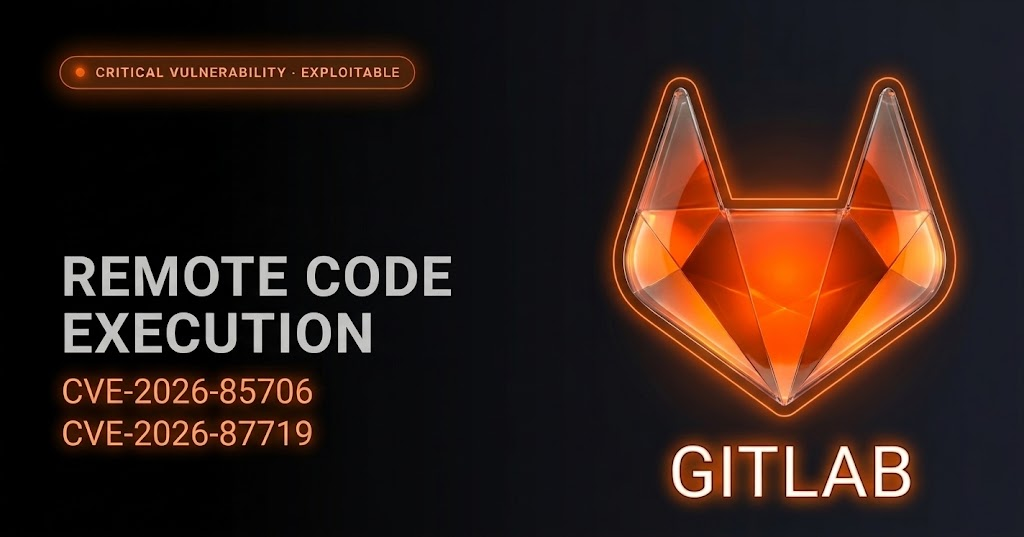
Understand the September GitLab flaws without conflating them: affected releases, a version checker, conditional attack paths, detection priorities and a 2026 advisory timeline.
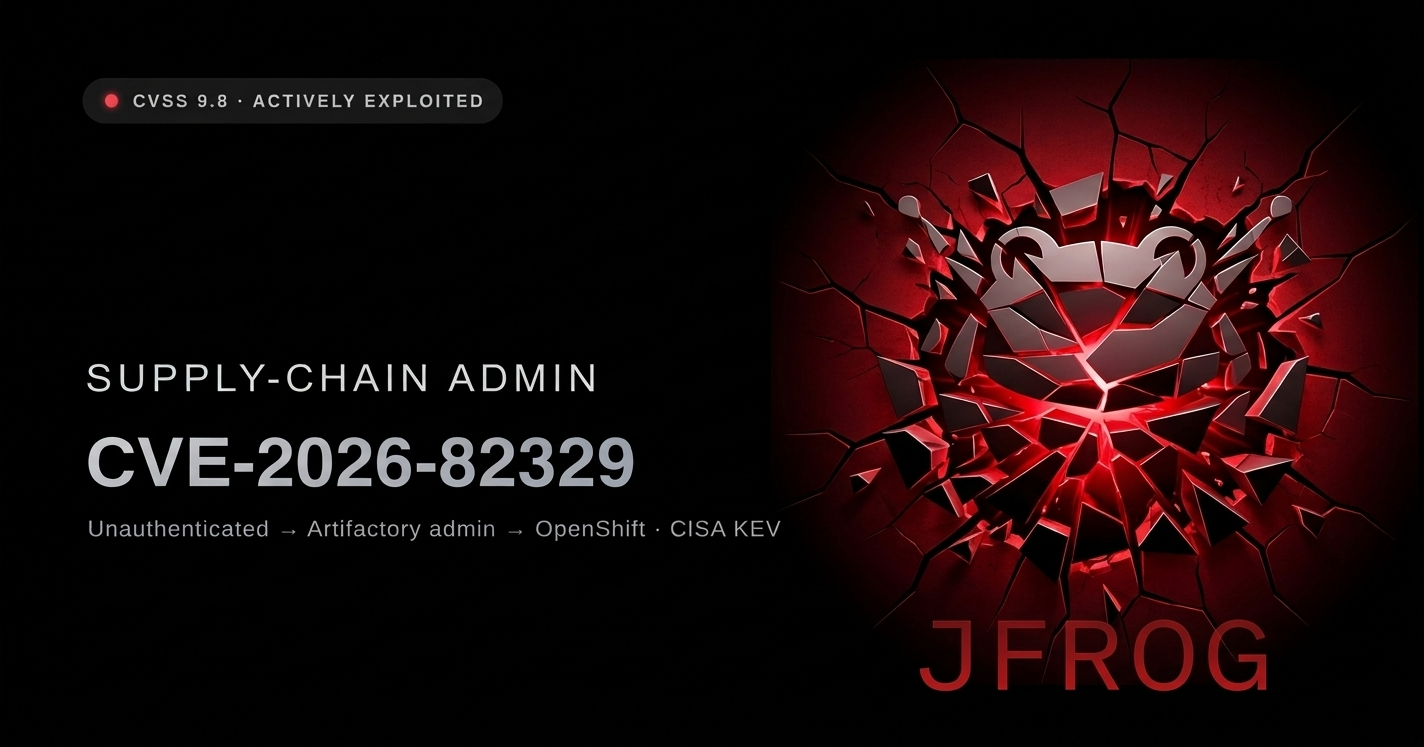
An interactive investigation map, read-only runbook and practical controls linking registry authority to artifact trust and workload evidence.
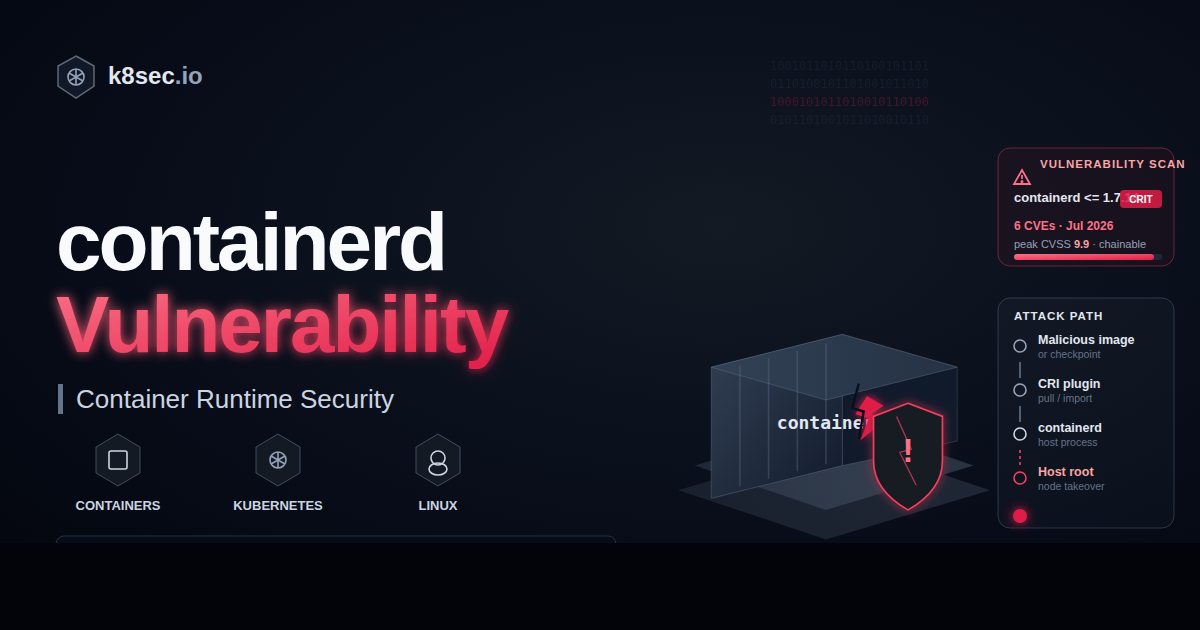
How CRI checkpoint and image-config flaws combine into a node-level container runtime attack path.
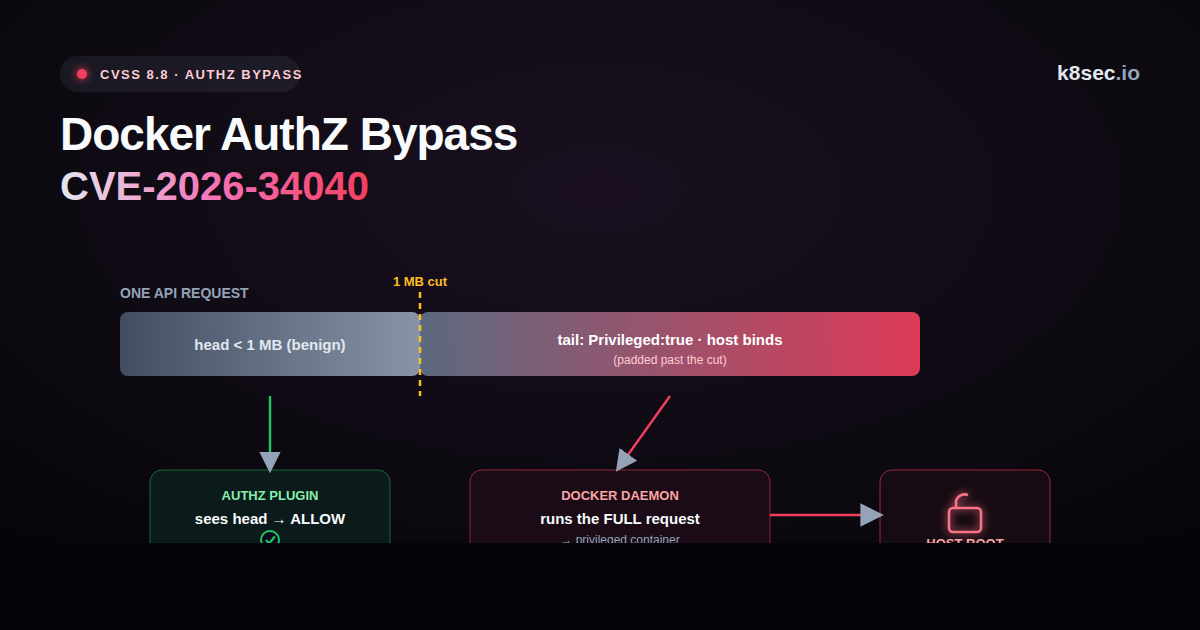
When a truncated authorization request and the full daemon request create a fail-open security layer.
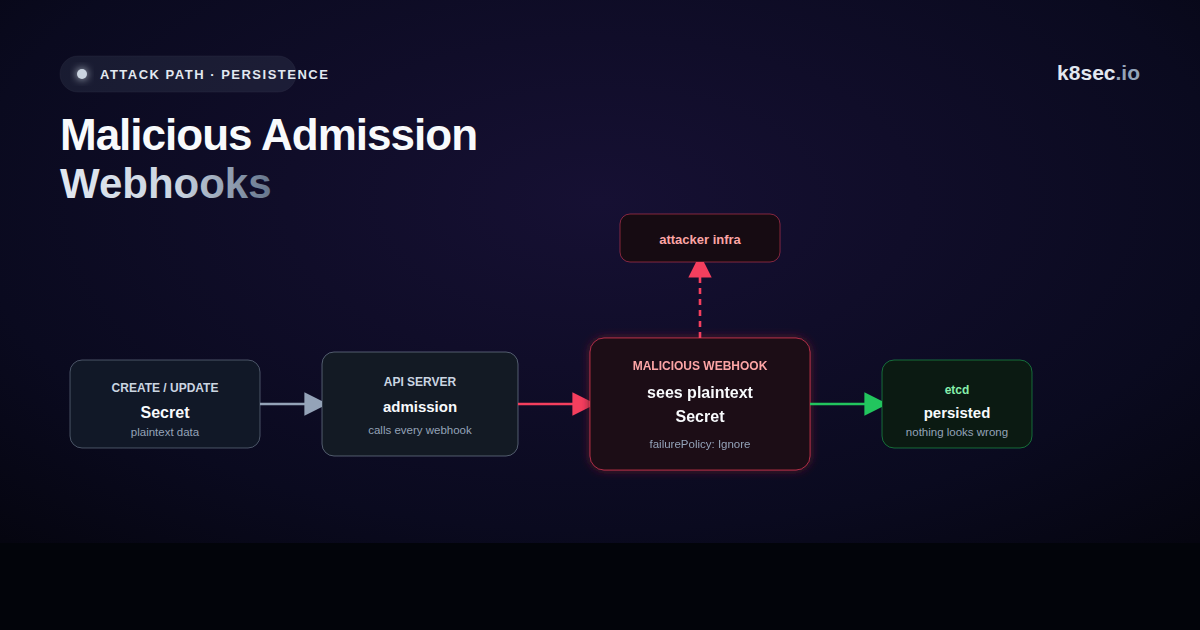
How admission configuration can observe Secret writes, mutate workloads, or disable defenders cluster-wide.
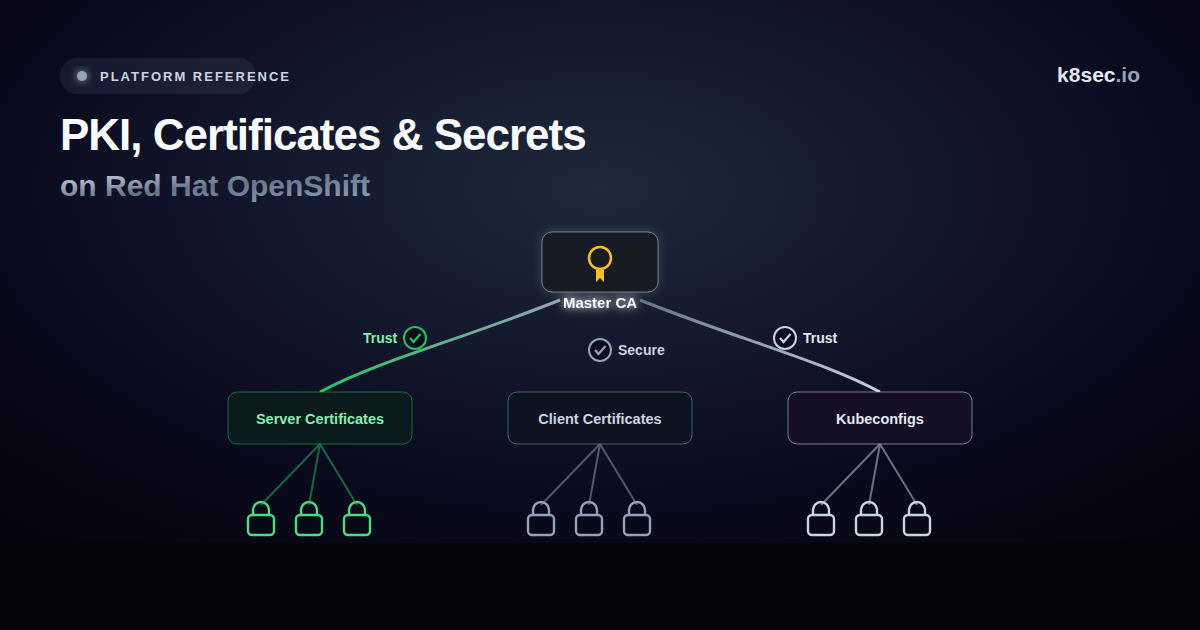
Mapping platform trust domains, the application-PKI gap, and cert-manager integration patterns.
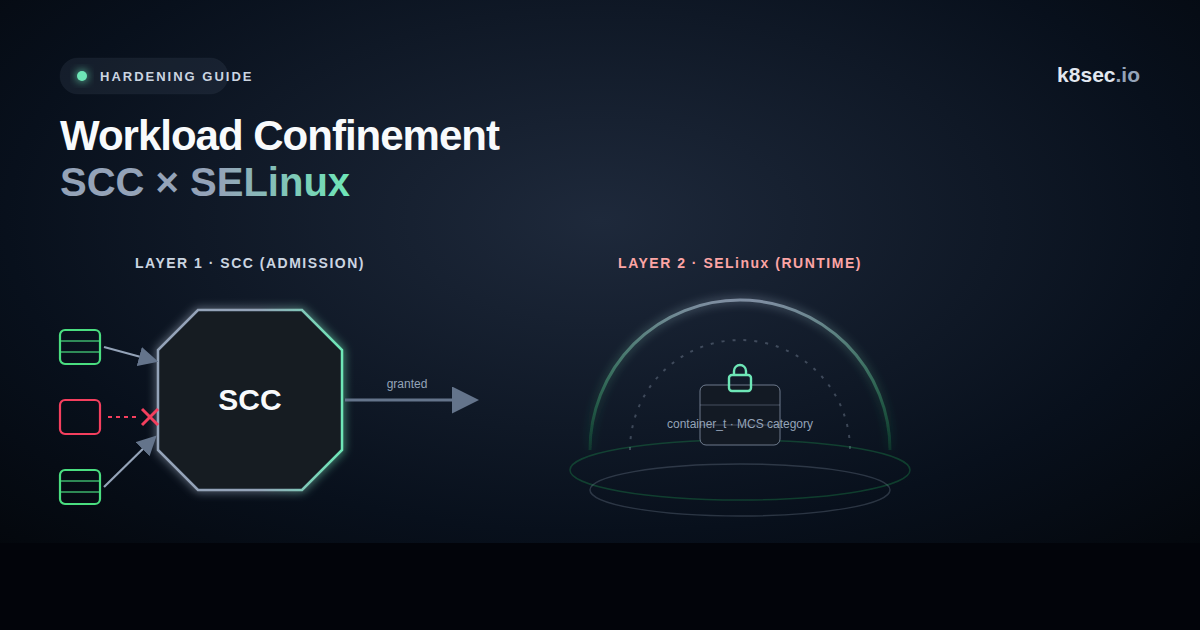
How admission-time Security Context Constraints and runtime SELinux boundaries compose—and where they break.
Auditing an improper-authorization flaw across the managed Kubernetes trust boundary.
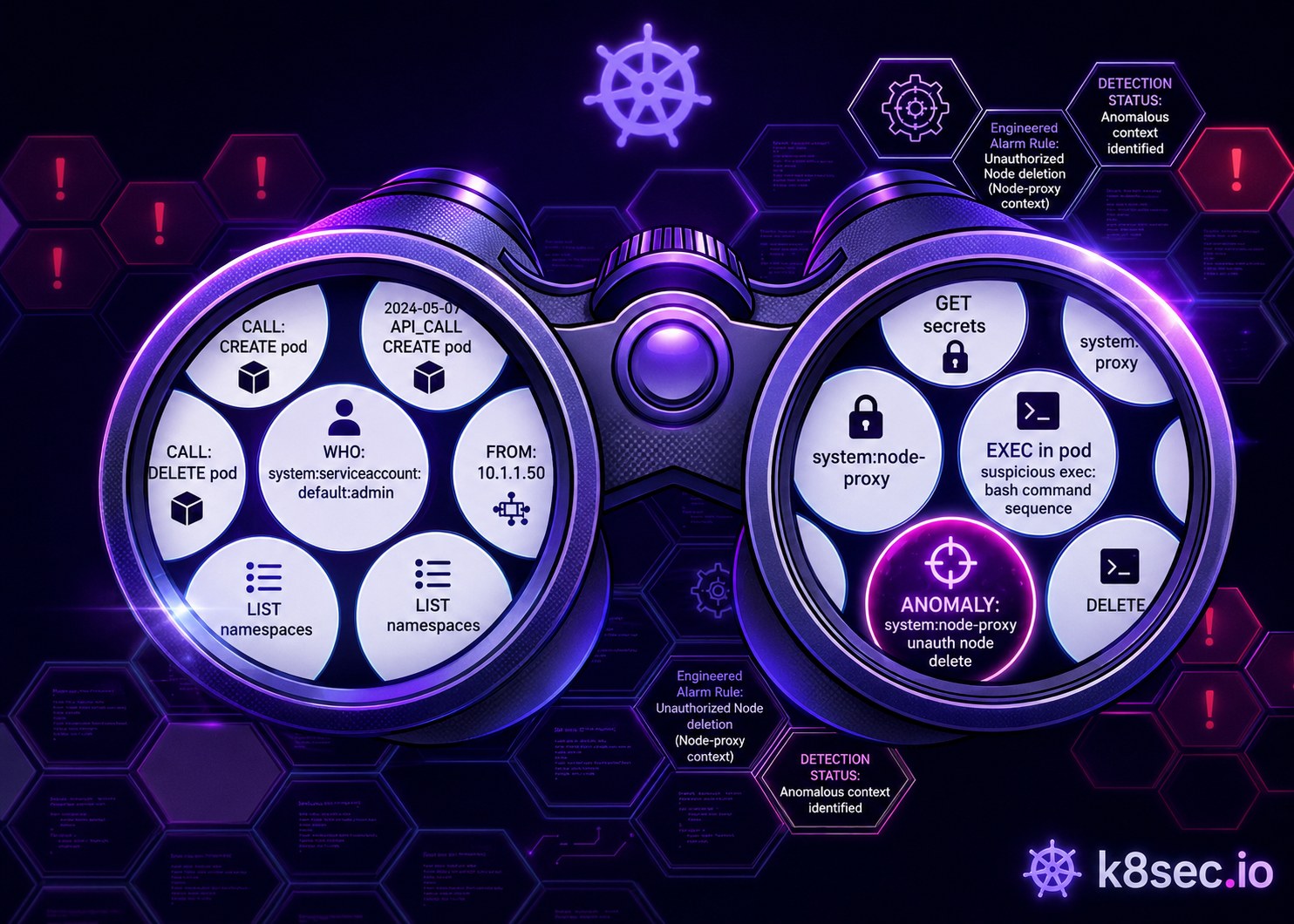
Turn API-server audit logs into high-signal detections for pod exec, secret access, RBAC escalation, privileged workloads, persistence, and SIEM correlation.
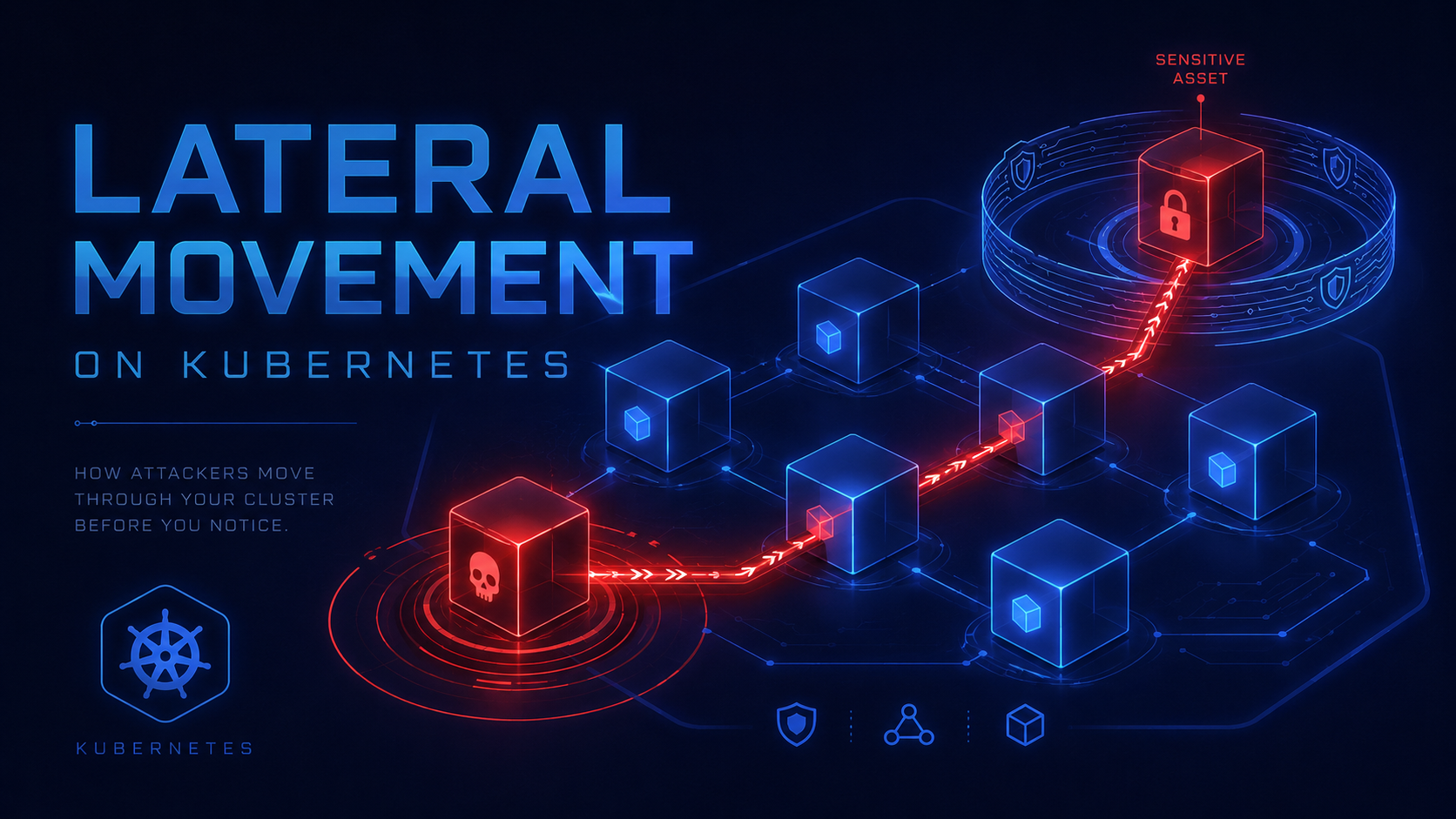
Flat pod networking, over-permissive service accounts, weak egress controls, and missing NetworkPolicies turn one compromised workload into a cluster-wide attack path.
The bug lives inside NGINX native C rewrite logic, not the ingress-nginx Go controller. Check the rendered nginx.conf, rewrite shape, NGINX version, ASLR posture, and admission controls.
Every cluster-level control you’ve hardened is meaningless if the pod spec hands attackers the keys.
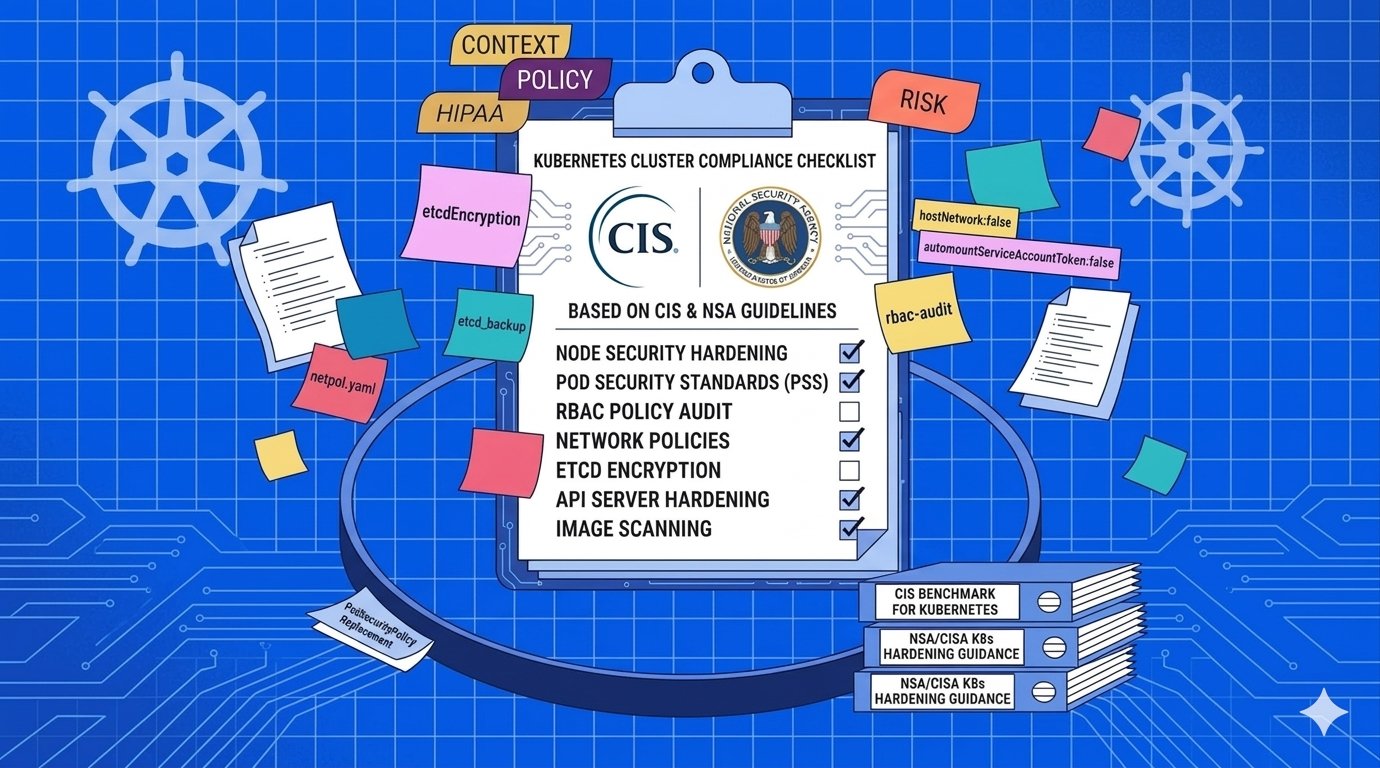
Not all 200+ CIS controls matter equally. Security-first prioritization ranked by real-world exploitability — not auditor comfort.
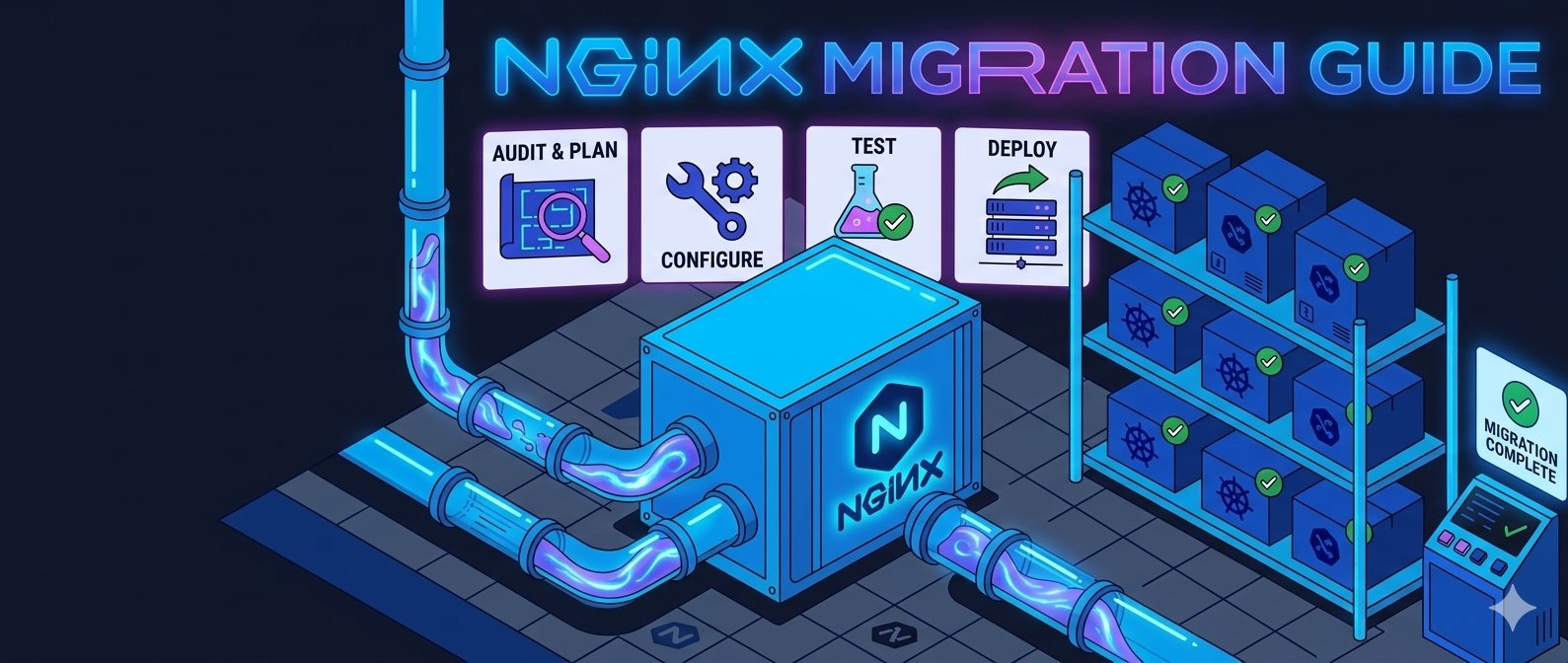
Production-grade migration path for Nginx Ingress on Kubernetes — TLS configuration, annotation hardening, rate limiting, and the security misconfigurations that expose clusters.
No articles match these filters.